Winter Wedding Color Palettes: Emerald, Champagne & Candlelight Reception Guide
Updated 2026-11-24 · Published by Perfect Wedding Tips Editorial
Atelier emerald, champagne, and candlelight winter wedding palettes: linen layering, floral cost math, lighting Kelvin targets, and bar splits.
Quick answer
An emerald, champagne, and candlelight winter wedding palette works best on a 60 / 30 / 10 visual ratio: 60% soft ivory, warm oatmeal, or champagne foundation (linens, walls, china), 30% deep atelier emerald velvet and winter greenery (napkins, bridesmaid wraps, taper candles, escort walls), and 10% brushed champagne-gold hardware and warm 2200K–2700K candlelight. Anchor every room at 2700K or warmer—never harsh 4000K overhead ballroom LEDs—so emerald reads jewel-toned rather than muddy black in evening flash and candid reception photos.
Winter weddings between December and February offer huge design leverage when couples stop chasing summer flower varieties out of season and instead let texture, fabric weight, and candle density carry the room. When daylight disappears before 5:00 PM across most US venues, flat pastel palettes wash out under indoor uplights, while rich green velvet, silk satin champagne, and flickering brass candlesticks absorb and bounce warm light naturally. Before you lock linen rentals, floral retainers, or winter cocktail pairings, run your category targets in our Wedding Budget Calculator and map your evening beverage mix in the Wedding Alcohol Calculator.
The 60 / 30 / 10 emerald, champagne, and candlelight ratio
Most winter reception rooms look heavy or theme-park festive for one simple reason: couples invert the color ratio and cover every surface in dark green. Deep emerald is a low-reflectance color that swallows ambient light, so putting emerald tablecloths on all 15 dining tables turns a ballroom into a cave and forces your photographer to crank flash power. Keep the base bright and tactile, then layer emerald and metallics where guests actually touch and photograph them.
| Palette Layer | Share | Exact Materials & Finishes | Photo & Lighting Job | What to Skip |
|---|---|---|---|---|
| Base Foundation | 60% | Ivory or warm champagne weave linens, bone china, cream stationery stock | Bounces natural bounce light onto faces at dinner | Bright emerald full-length tablecloths in dim rooms |
| Signature Emerald | 30% | Atelier emerald velvet napkins, silk velvet table runners, cedar/ruscus garlands, velvet wraps | Anchors winter contrast against ivory gowns and tuxedos | Neon kelly green, shiny polyester satin, tinsel accents |
| Candlelight & Brass | 10% | Unscented ivory/champagne tapers, hurricane glass sleeves, brushed brass flatware & rims | Adds depth, sparkle, and warm skin tones after sunset | Cool chrome silverware mixed with bright yellow foil |
Lighting Kelvin targets and candle math that save your photos
Color palette decisions fail fastest when venue lighting fights your textiles. Ask your venue manager and lighting designer for exact bulb color temperatures during your final walk-through—ideally timed at sunset so you see the room at the exact hour your guests sit down for dinner.
- Set overhead dimmers to 2200K–2700K warm amber: Standard banquet hall fluorescent or 4000K–5000K daylight LEDs turn champagne fabric green-gray and flatten emerald velvet shadows. Dim house chandeliers down to 15%–25% and rely on pin-spots plus warm amber uplights.
- Budget realistic candle counts per table: For a standard 60-inch round table seating 8 guests, plan 5 to 7 varied-height candles (a trio of tall tapers in glass hurricane chimneys paired with 3–4 low mercury or clear glass votives). On a 8-foot rectangular farm table, space 8 to 10 candles down the center runner so every guest sits in soft warm glow.
- Verify open-flame rules early: Roughly half of historic US hotels and museums restrict exposed flames. Always order glass hurricane sleeves extending at least 2 inches above the candle wick—or upgrade to high-CRI warm-flicker wax-coated LED tapers (2200K) rather than cheap blue-white plastic candles.
- Choose unscented candles exclusively: Scented vanilla, pine, or cinnamon tapers clash violently with plated dinner aromas and trigger headaches in closed winter ballrooms.
Winter floral and greenery sourcing without off-season markups
A major advantage of an emerald-and-champagne palette is that you do not need $12,000 of imported peonies to make a room look editorial. Winter-native evergreens, sculptural branches, and hardy ivory blooms hold up in cold delivery vans without browning at the edges, freeing thousands of dollars in your Wedding Budget Calculator allocation.
- Greenery backbone (high volume, lower cost): Mix Italian ruscus, seeded eucalyptus, cedar, and magnolia leaves (glossy green top with warm copper-brown velvet underside) for garlands and fireplace mantels.
- Champagne & ivory focal blooms: Rely on Playa Blanca or Vendela roses, white ranunculus, anemones with dark centers (which echo black-tie attire cleanly), white Majolica spray roses, and hellebores.
- Pin-spot the focal points, not every corner: Instead of sprawling floral towers on every guest table, allocate 40% of your floral budget to two camera magnets—the ceremony arch/hearth and the sweetheart or head table—then fill guest tables with alternating low compote arrangements and dense hurricane candle clusters.
- Account for winter delivery and venue load-out buffers: Compare your decor line item against our 2027 wedding budget breakdown by guest count so holiday florist labor surcharges and late-night teardown fees never squeeze your contingency buffer.
Attire, bridal party velvet, and beauty cohesion
An emerald and champagne reception looks intentional when the wedding party and bridal beauty carry the same tonal discipline without matching like costumes.
- Mix bridal party textures in one emerald lane: Let bridesmaids choose from floor-length emerald velvet, silk charmeuse, or matte crepe in two or three necklines. Velvet absorbs light deeply while satin catches highlights—mixing both creates editorial dimension in group portraits.
- Keep bridal accessories brushed, not blinding: Champagne pearls, antique gold hairpins, or subtle crystal combs pair seamlessly with candlelight. Pair your palette with structured silhouettes like a sleek low bun, bridal chignon, or brushed-out Hollywood waves, and protect your outdoor portrait window with our winter bridal hairstyles and velvet wraps guide.
- Coordinate guest dress codes clearly: On your wedding website, invite guests into winter formal, black-tie optional, or jewel-tone velvet and dark satin—link guests needing seasonal warmth ideas to our winter wedding guest outfits guide.
- Keep morning prep calm under winter daylight limits: Because December sunsets hit between 4:15 PM and 5:15 PM across most US states, outdoor portraits must happen before 3:30 PM. Lock your chair schedule backward with our Wedding-Day Beauty Morning Timeline Calculator and wedding-day beauty timeline so hair and makeup finish before the sun drops.
Winter reception bar and menu styling that reinforces the palette
Your cocktail hour and reception bar are part of the visual palette—and winter guests drink differently than July outdoor wedding guests. When temperatures drop outside, demand shifts away from crisp rosé and light pilsners toward red wine, dark spirits, sparkling champagne towers, and aromatic warming cocktails.
Use our Wedding Alcohol Calculator and wedding reception alcohol buying guide to build a winter-adjusted order:
- Invert your wine split to 60% red / 40% white & sparkling: Swap crisp summer Pinot Grigio volume for full-bodied Cabernet Sauvignon, Pinot Noir, Chardonnay, and dry Prosecco or Champagne for candlelit toasts.
- Feature 2 palette-matched signature cocktails: Serve an emerald-garnished rosemary gin gimlet or spiced pear bourbon sour alongside an espresso martini late-night pass rather than stocking 14 slow-moving liqueur bottles.
- Upgrade glassware and garnish details: Coupes for espresso or champagne cocktails, crystal rocks glasses with oversized ice cubes, and fresh rosemary sprigs or dehydrated blood orange wheels tie the bar straight into your emerald-and-brass tablescape.
Common winter palette mistakes to avoid
- Overdoing bright red accents: Unless you actively want a Christmas party vibe in mid-December, omit poinsettia red, tartan plaids, and bright metallic gold foil. Let emerald, champagne, cream, and deep forest tones stand on their own.
- Skipping linen steam and press time: Heavy velvet runners and satin napkins show fold creases brutally under directional candlelight. Confirm whether your rental vendor or planner steams napkins and runners on-site the morning of.
- Forgetting transition lighting between dinner and dancing: Have your DJ or lighting tech program a clean cue: 40% warm glow during cocktail hour, 20% romantic candlelight during plated dinner, and warm amber wall washes once the dance floor opens—never sudden club strobes that ruin first-dance photos.
FAQ
How many candles do you need per table for a candlelight winter wedding?
Plan 5 to 7 unscented candles per 60-inch round table (typically 3 tall tapers in hurricane glass plus 3–4 low votives) or 8 to 10 candles down an 8-foot rectangular table. Always verify venue open-flame rules and use glass sleeves extending 2 inches above the flame.
What lighting temperature is best for winter wedding reception photos?
Target 2200K to 2700K warm amber bulbs across chandeliers, uplights, and pin-spots. Cool 4000K+ overhead LEDs clash with candlelight, wash out champagne tones, and make dark emerald velvet look flat or muddy on camera.
How should you adjust a winter wedding bar order compared to summer?
Shift your wine split to roughly 60% red and 40% white or sparkling, add bourbon or spiced whiskey cocktails, and account for warm late-evening drinks like espresso martinis using the Wedding Alcohol Calculator.
Styles to open next
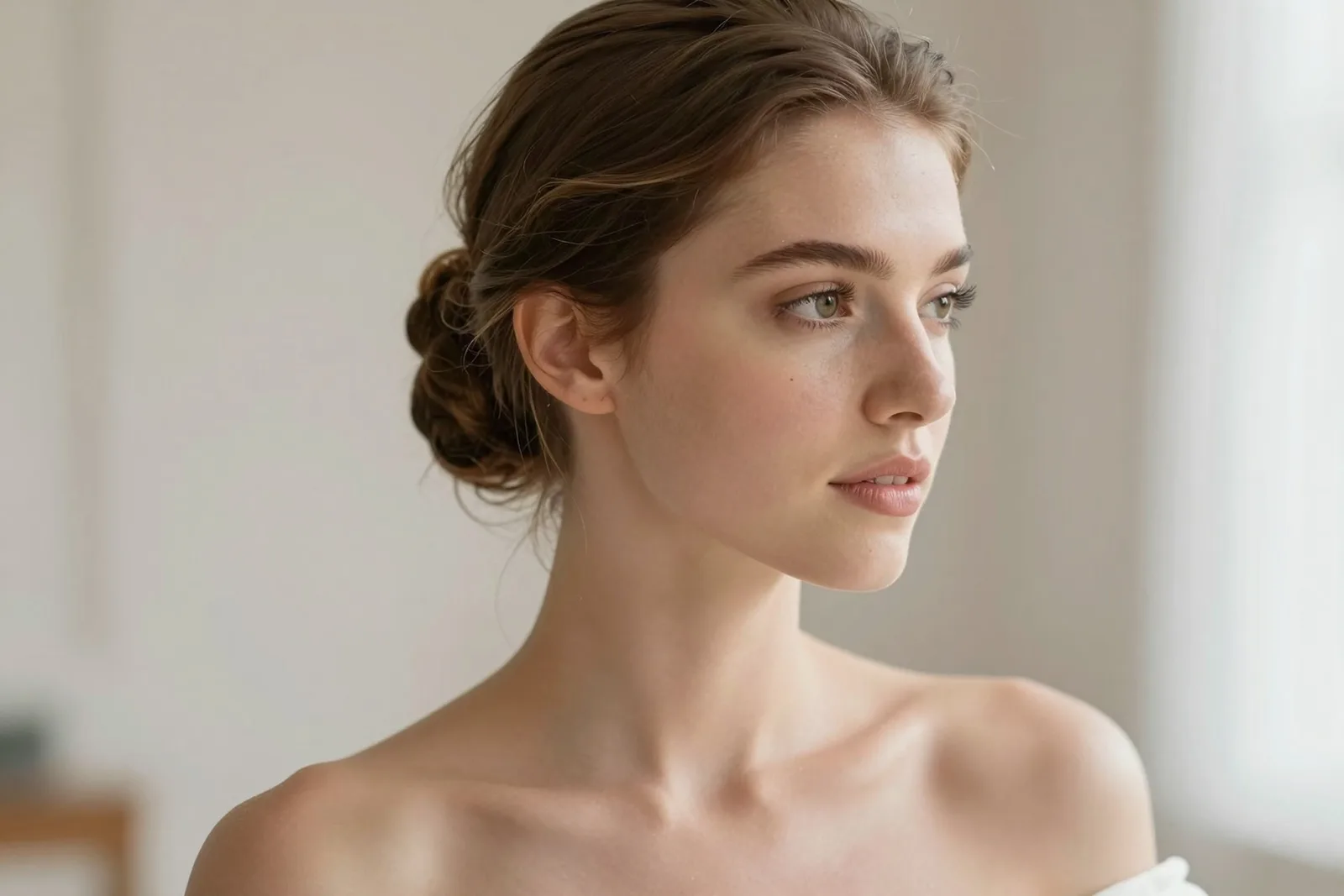
Sleek low bun
A clean, modern low bun that flatters minimal gowns, statement earrings, and humid venues.
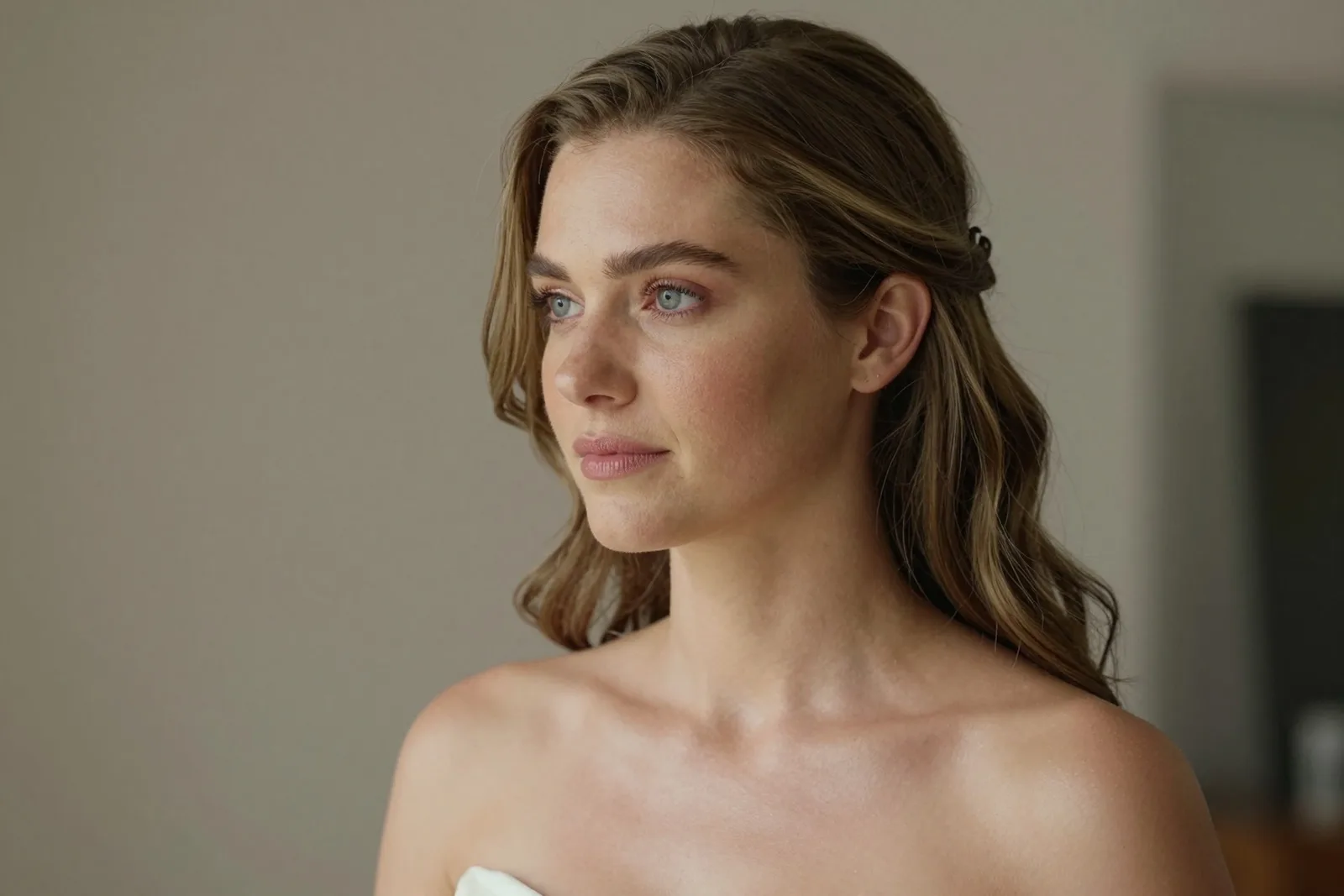
Hollywood waves
Glossy, S-shaped finger waves with old-Hollywood polish—built for portraits and candlelight.
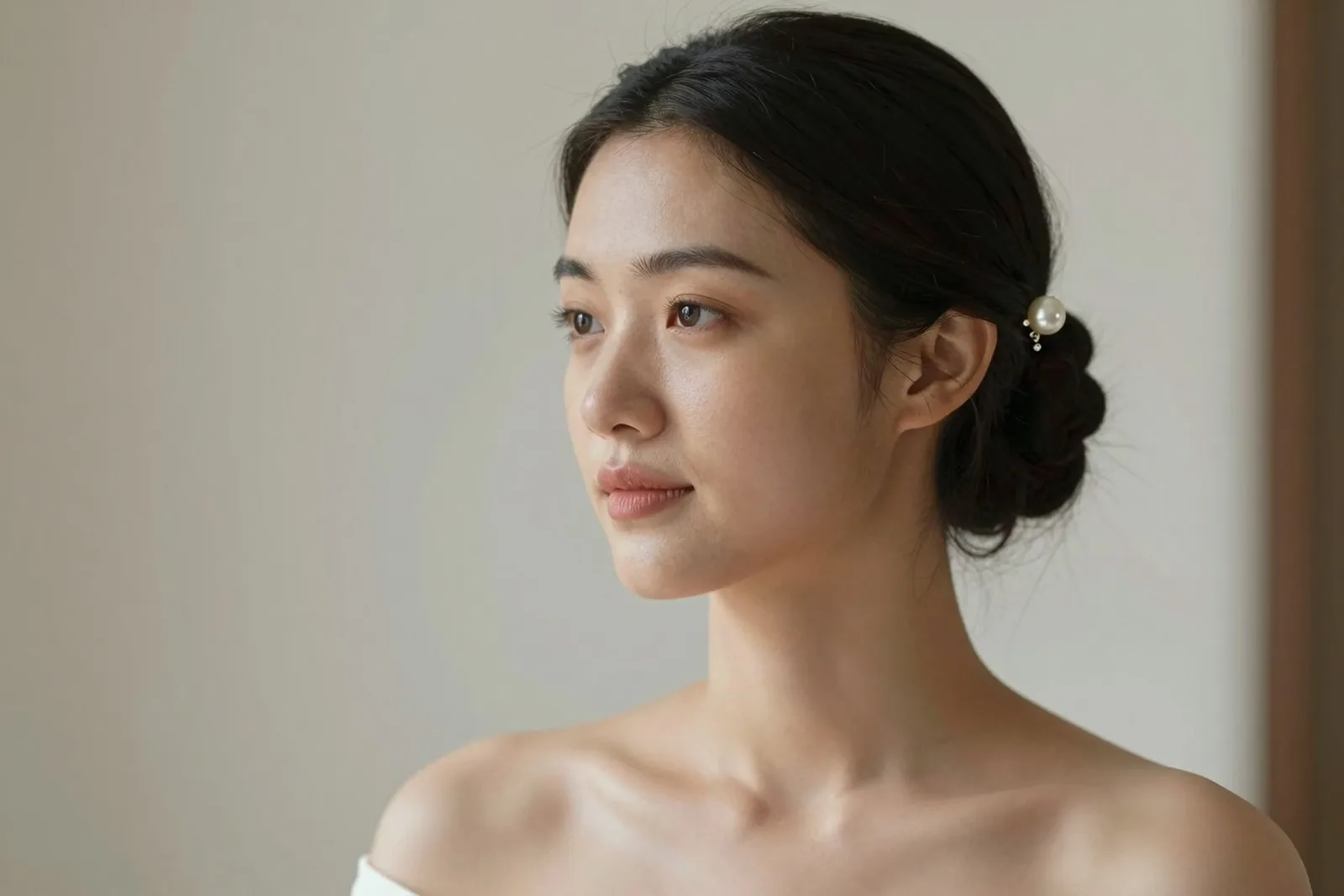
Chignon
Classic coiled updo—low or mid—built for veil shelves, earrings, and formal dress backs.
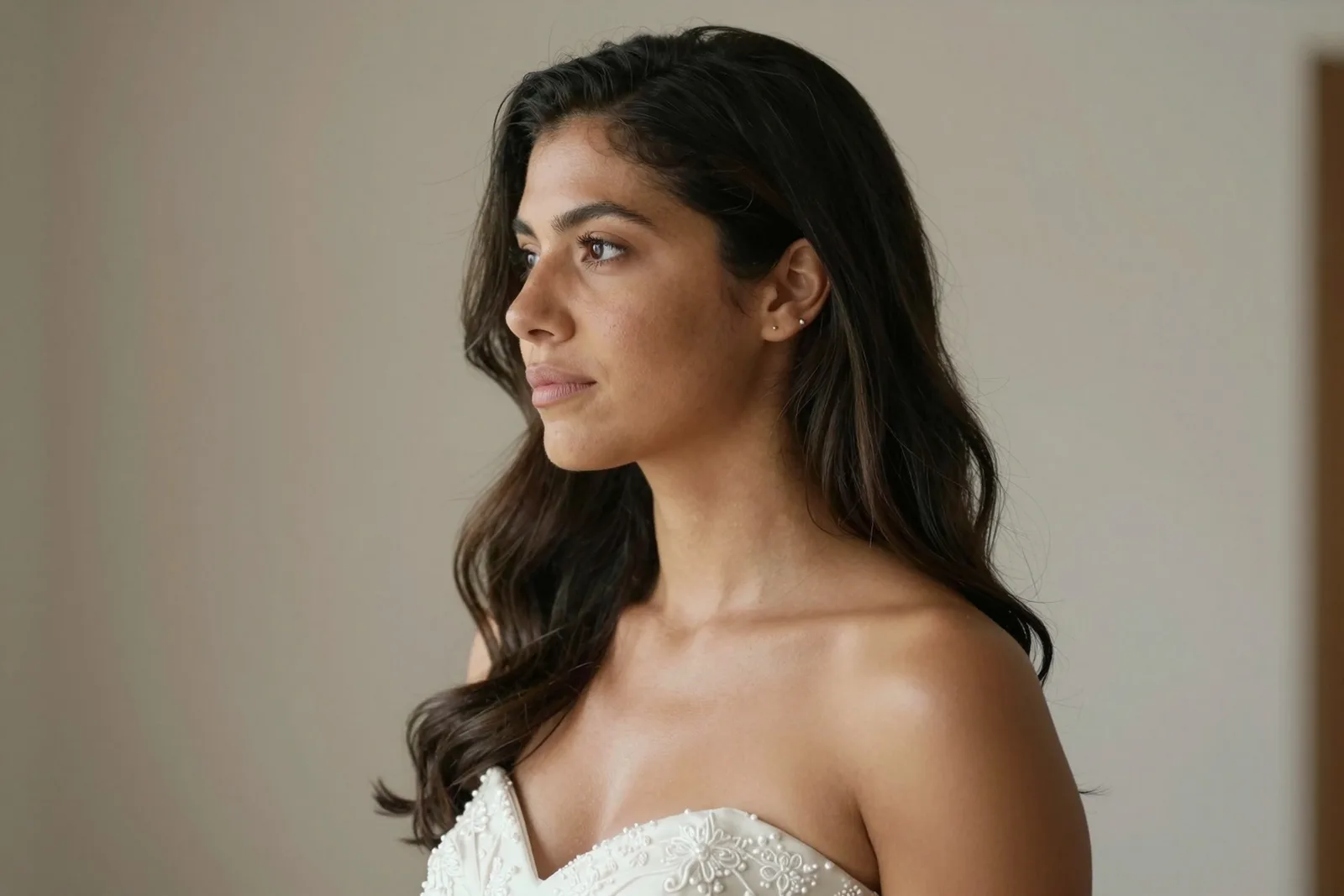
French twist
Vertical twist updo with a clean profile for formal ceremonies and statement earrings.
Related guides: Winter Bridal Hairstyles & Velvet Wraps That Stay Put Outdoors · 2027 Realistic Wedding Budget Breakdown by Guest Count (50, 100, 150 Guests) · How Much Alcohol to Buy for a Wedding Reception (Bar Formula + Calculator) · Winter Bridal Hairstyles · Winter Wedding Guest Outfits · Just Engaged Over the Holidays? Your First 30 Days Wedding Planning Checklist