Winter Bridal Hairstyles & Velvet Wraps That Stay Put Outdoors
Updated 2026-11-24 · Published by Perfect Wedding Tips Editorial
Outdoor winter bridal hairstyles engineered for velvet wraps, faux-fur stoles, static control, veil security, and sub-freezing portrait timelines.
 Save
Quick answer
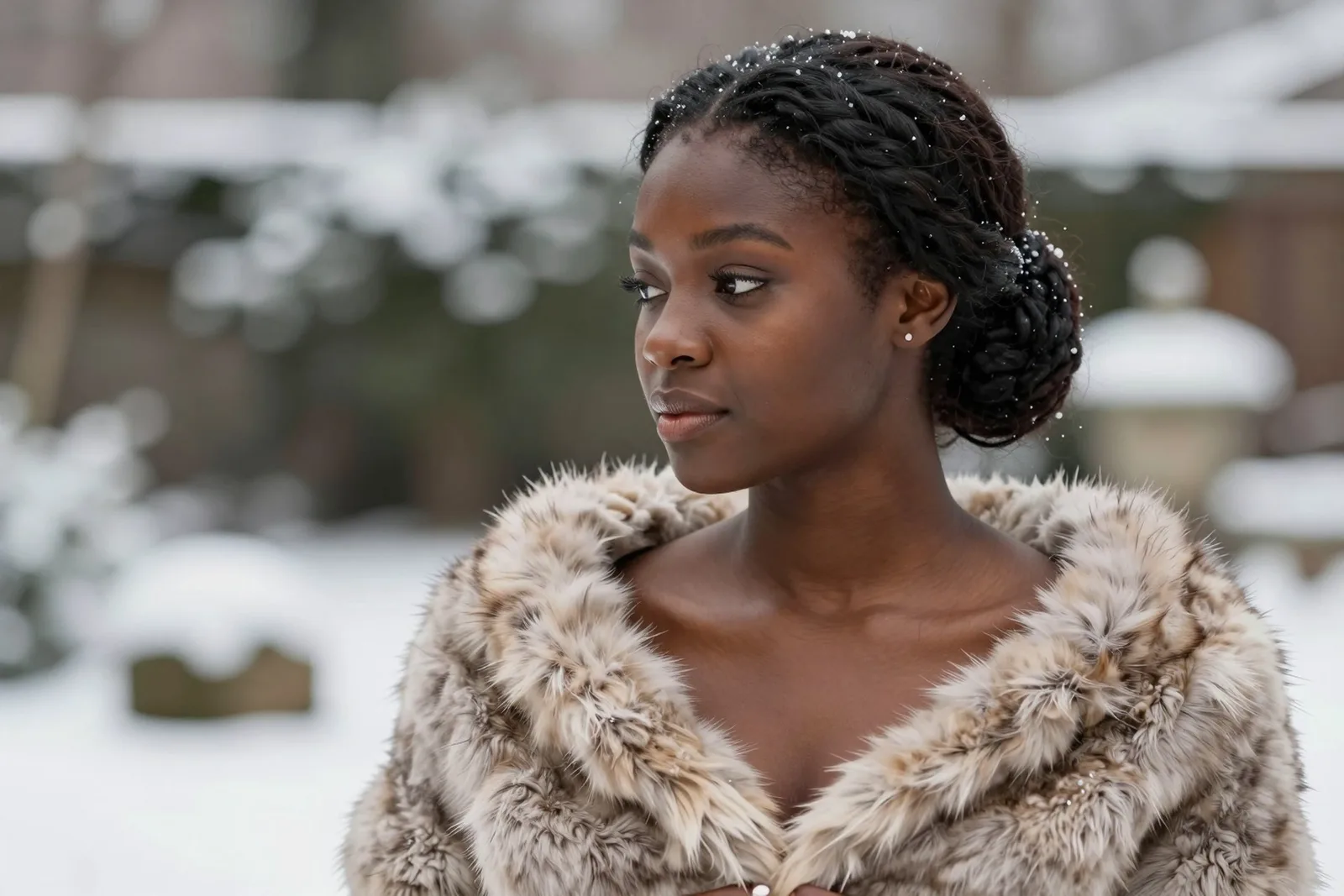
For outdoor winter wedding portraits and cold-weather ceremonies, pick a collar-clearing structural updo—such as a sleek low bun, tucked French twist, or reinforced mid-nape bridal chignon—paired with a silk-lined velvet capelet or off-the-shoulder wrap that sits cleanly below the hairline. Avoid resting long loose curls against unlined velvet or faux-fur collars, which create static friction and shred curl definition within ten minutes outdoors.
Winter bridal styling has two separate physics problems that indoor trials rarely reveal: collar friction from velvet wraps, cashmere coats, and faux-fur stoles, and dry heated indoor air colliding with freezing outdoor wind. A style that looks effortless in a 72°F salon chair can fuzz at the crown the moment a wool coat collar brushes the nape or a bridesmaid pulls a wrap off your shoulders before stepping down the aisle. Plan your outdoor portrait budget, warming hospitality buffers, and day-of beauty schedule early using our Wedding Budget Calculator, Wedding Alcohol Calculator, and Wedding-Day Beauty Morning Timeline Calculator.
Best winter bridal hairstyles paired with velvet wraps and stoles
The neckline and collar height of your winter outerwear should dictate where your hair sits—not the other way around. Measure the gap between your dress neckline, your wrap's top edge, and your occipital bone at your hair trial.
| Bridal Hairstyle | Wrap & Collar Compatibility | Outdoor Wind Hold (15+ mph) | Veil Anchor Plan | Best For |
|---|---|---|---|---|
| Tucked French Twist | Best — clears high velvet capes and faux-fur collars completely | Very High (all ends locked vertically) | Comb slides cleanly along twist seam | High-neck lace gowns, wool bridal coats, windy church steps |
| Mid-Nape Chignon | High — sits 1.5–2 in above wrap shoulder line | High (criss-crossed U-pins + anchor braid) | Comb seats directly above chignon shelf | Velvet stoles, pearl hairpins, cathedral veils |
| Sleek Low Bun | Good — clear if wrap stays draped off-shoulder | Very High (wax-sealed surface resists static) | Comb sits above bun with zero gap | Modern satin gowns, emerald/champagne evening palettes |
| Pinned Hollywood Waves | Fair — one shoulder swept forward over wrap | Moderate (needs deep clip-set & serum) | Lightweight comb at temple or crown | Short 10-min outdoor portrait bursts, indoor ballroom vows |
| Half-Up Half-Down | Caution — free ends snag on plush velvet pile | Low–Moderate unless pinned into a single twist | Crown shelf holds drop veil cleanly | Indoor ceremonies with zero-collar silk-lined capelets |
How to choose a velvet wrap or stole that protects your hair
Most hair damage during winter portraits does not come from the cold air—it comes from taking a heavy wrap on and off over a finished style and from rough fabric fibers rubbing against cured hairspray.
- Insist on a smooth silk or satin lining: Unlined crushed velvet, faux fur, and textured wool grab stray cuticles, build static charge, and pull bobby pins loose. Choose a velvet wrap or capelet lined in silk charmeuse or high-slip satin.
- Pick front-clasping or off-shoulder drapes over pull-over styles: Never wear a scarf, cowl, or knit sweater that pulls over your head on wedding morning. Use a front-tie velvet ribbon, concealed hook-and-eye capelet, or open shawl you can drape from the elbows up without touching your crown.
- Keep the collar line 2 inches below your updo base: If your wrap rises above your collarbone, switch from a low nape bun to a mid-height chignon or French twist so fabric never rubs the bottom edge of the bun during walking shots.
- Rehearse the wrap handoff with one designated helper: Have your maid of honor or planner practice draping and removing the velvet wrap from the front—lifting outward away from the ears and nape rather than sliding it upward over the back of your head.
Static, frizz, and cold-wind engineering at your hair trial
Winter air holds minimal moisture outdoors while venue radiators and bridal-suite space heaters strip hair cuticles dry inside. Build your product stack around flexibility and moisture sealing rather than stiff aerosol lacquer.
- Use a lightweight silicone-free anti-static finishing veil or serum: Mist a dryer-sheet-free anti-static hair mist onto a natural boar-bristle smoothing brush—not directly onto your scalp—to tame flyaways along the part and hairline without flattening root lift.
- Replace crunchy freeze spray with layered flexible working spray: Extreme cold makes heavy high-alcohol hairspray brittle, causing curls and slicked sections to flake white or snap when wind moves them. Layer a flexible humidity-shield spray at each pinning stage, then seal flyaways with a pea-sized drop of styling pomade warmed between your palms.
- Lock a hidden anchor foundation under every updo: Regardless of whether you pick a bridal chignon or veil-ready updo, ask your stylist to build a small horizontal French braid or anchored elastic anchor at the crown or nape so U-pins lock into woven hair rather than sliding out of silky clean strands.
- Prep hair the night before, not morning-of: Second-day washed hair (cleansed and blow-dried the evening prior with lightweight heat protectant) holds tension far better in winter dryness than squeaky-clean morning washouts. Double-check your broader cold-weather basics in our winter bridal hairstyles guide and outdoor ceremony bridal hair guide.
Veil security when wind and outerwear collide
Cathedral and fingertip tulle catch winter gusts like a sail—and a veil comb yanked backward will undo forty minutes of careful pinning if the base is not reinforced.
- Anchor with two hidden crossed bobby pins inside the comb teeth: Follow our how to secure a wedding veil guide and instruct your stylist to cross two matte-coated pins horizontally behind the comb spine so gusts cannot lever the comb upward.
- Add discreet veil weights for outdoor vows: Tiny magnetic pearl or clear crystal hem weights clipped 12 inches apart along the bottom tulle border keep a cathedral veil draped gracefully instead of whipping across your face or wrapping around your velvet shawl.
- Remove the veil before putting on a heavy coat for travel: If you travel by car or trolley between ceremony and reception, unclip the veil indoors first, drape your velvet wrap, and assign one person to carry the veil flat over their arm.
Timing outdoor winter portraits before sunset (and warming guests cleanly)
December and January daylight fades fast—often by 4:30 PM—which squeezes First Look portraits into the coldest late-afternoon window. Protect your hair and skin by organizing logistics with clinical precision:
- Run outdoor portraits in two 15-minute bursts instead of one 45-minute freeze: Step outside for couple portraits with your velvet wrap on for half the frames and draped off your elbows for 3 minutes, then step back inside the heated foyer for a 5-minute warm-up and pin check before family formals.
- Pack a winter touch-up pouch with your helper: Include travel flexible hold spray, a natural-bristle edge brush, 10 matching U-pins, clear blotting sheets (cold wind makes noses and cheeks flush or water), and a satin scrunchie for emergency coat transfers. See our reception bridal hair reset guide if you plan to drop an updo into waves after portraits.
- Lock your morning schedule backward from sunset: Enter your ceremony hour, bridal party headcount, and First Look plan into the Wedding-Day Beauty Morning Timeline Calculator and cross-check our wedding-day beauty timeline so your photographer gets full late-afternoon light without rushing the final veil pin.
- Budget for cold-weather hospitality & stylist buffers: Winter weddings often add coat-check staffing, outdoor patio heaters, velvet bridal wrap tailoring, and sometimes a second stylist touch-up hour between outdoor portraits and indoor vows. Allocate those line items cleanly inside our Wedding Budget Calculator, and if guests arrive from chilly outdoor vows into cocktail hour, size your warm welcome pours and red-wine-heavy reception order in the Wedding Alcohol Calculator and pair the reception aesthetic with our emerald, champagne, and candlelight winter wedding palette guide.
FAQ
Can I wear loose Hollywood waves for an outdoor winter wedding?
Yes for brief 10- to 15-minute outdoor portrait windows if your stylist pin-curls the set to cool completely, sweeps hair forward over one shoulder away from your wrap collar, and seals ends with lightweight anti-frizz serum—though a full updo or French twist is far safer for outdoor ceremonies.
Should you put your veil on before or after your winter wrap?
Put your velvet wrap on first, ensure the collar rests smoothly below your updo base, and then slide the veil comb into the reinforced shelf above the wrap. Reverse the order—remove the veil first—before putting on any heavy travel coat.
How long can you shoot outdoor winter bridal portraits before hair and makeup suffer?
Plan two 15-minute outdoor portrait blocks separated by a 5-minute indoor warm-up rather than a single 45-minute outdoor session. Short bursts keep eyes from watering in wind, protect flexible hairspray hold, and prevent red noses in close-ups.
Styles to open next

Sleek low bun
A clean, modern low bun that flatters minimal gowns, statement earrings, and humid venues.
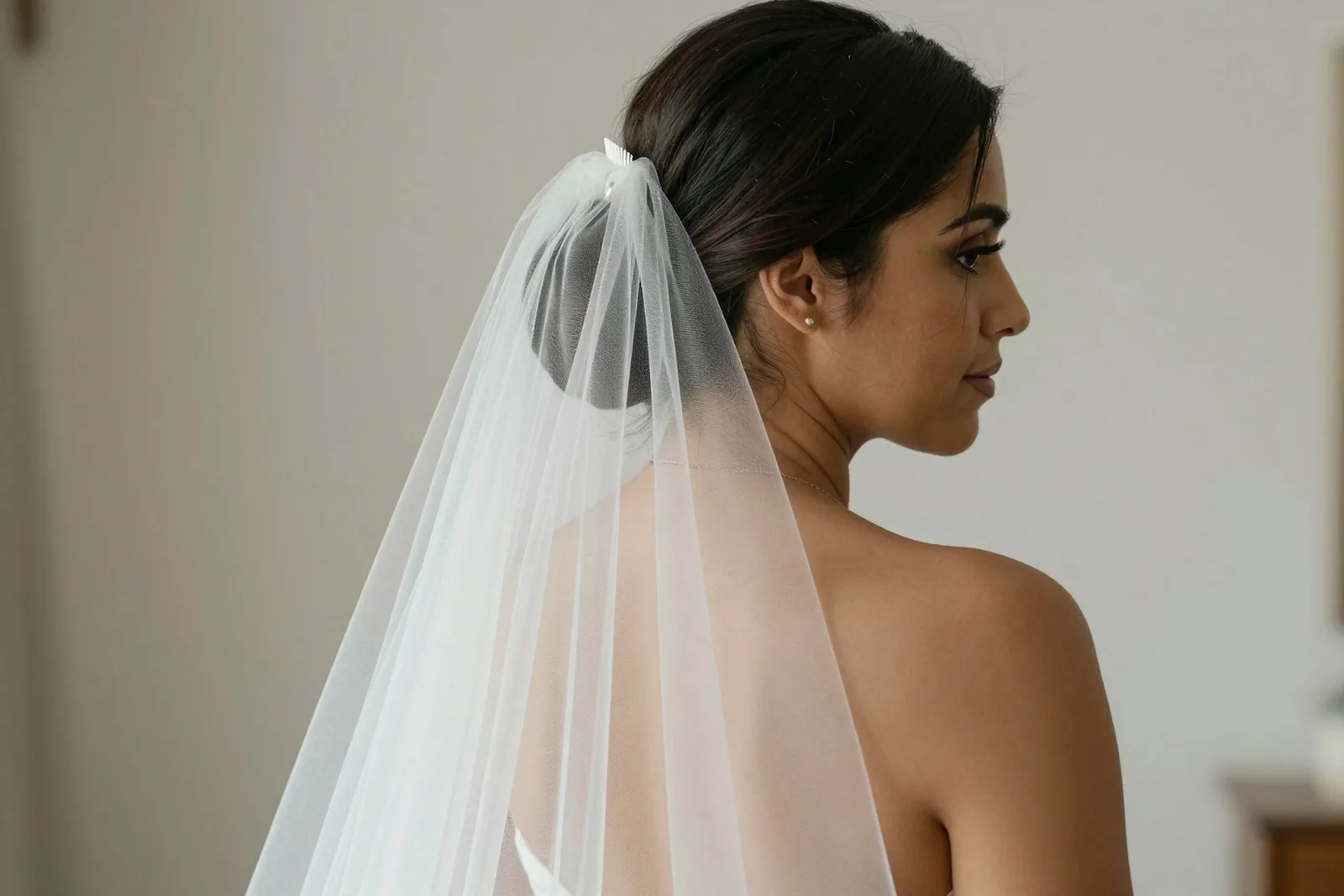
Veil-ready updos
Updos engineered for comb placement, cathedral weight, and a clean reception reveal after the veil comes off.
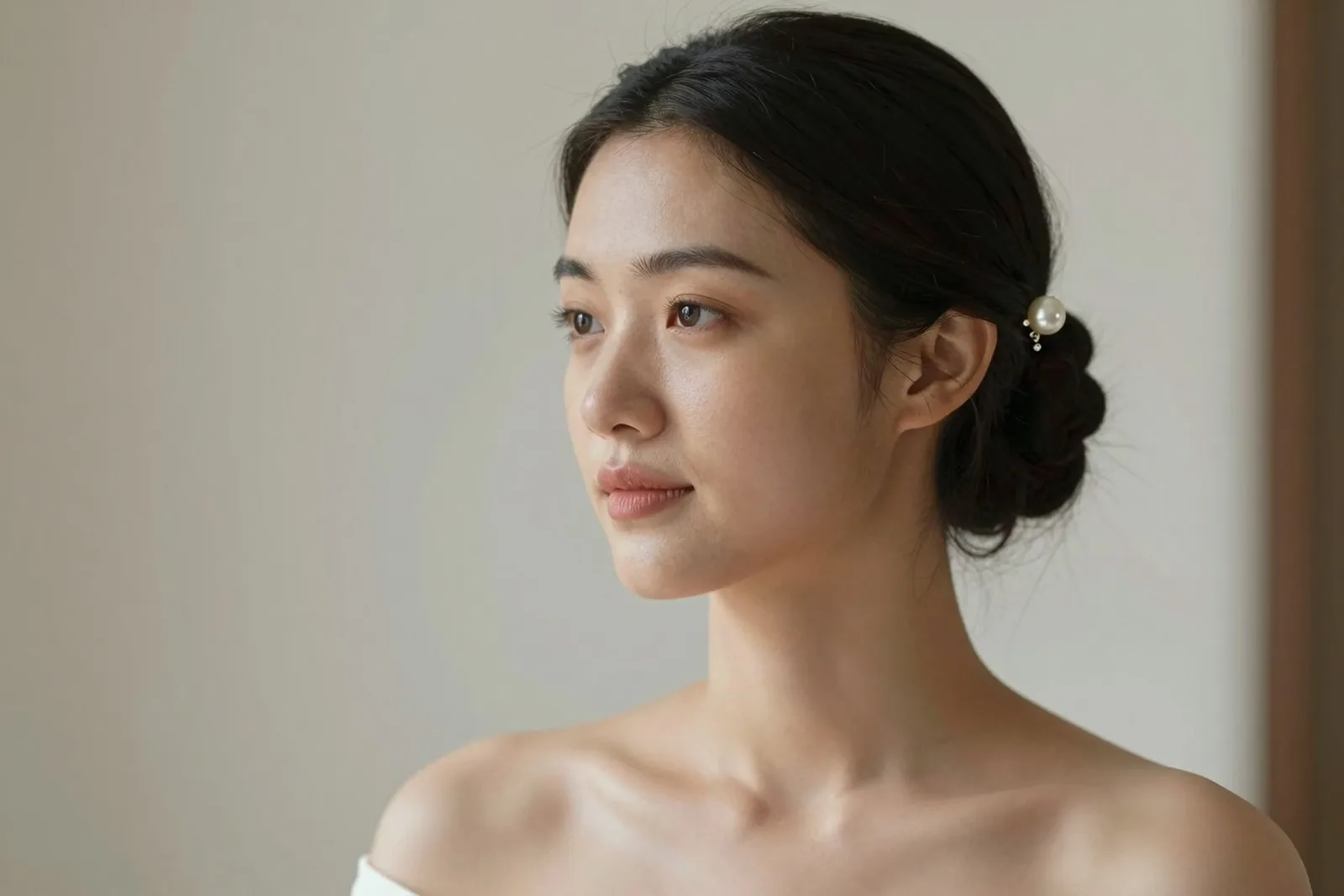
Chignon
Classic coiled updo—low or mid—built for veil shelves, earrings, and formal dress backs.
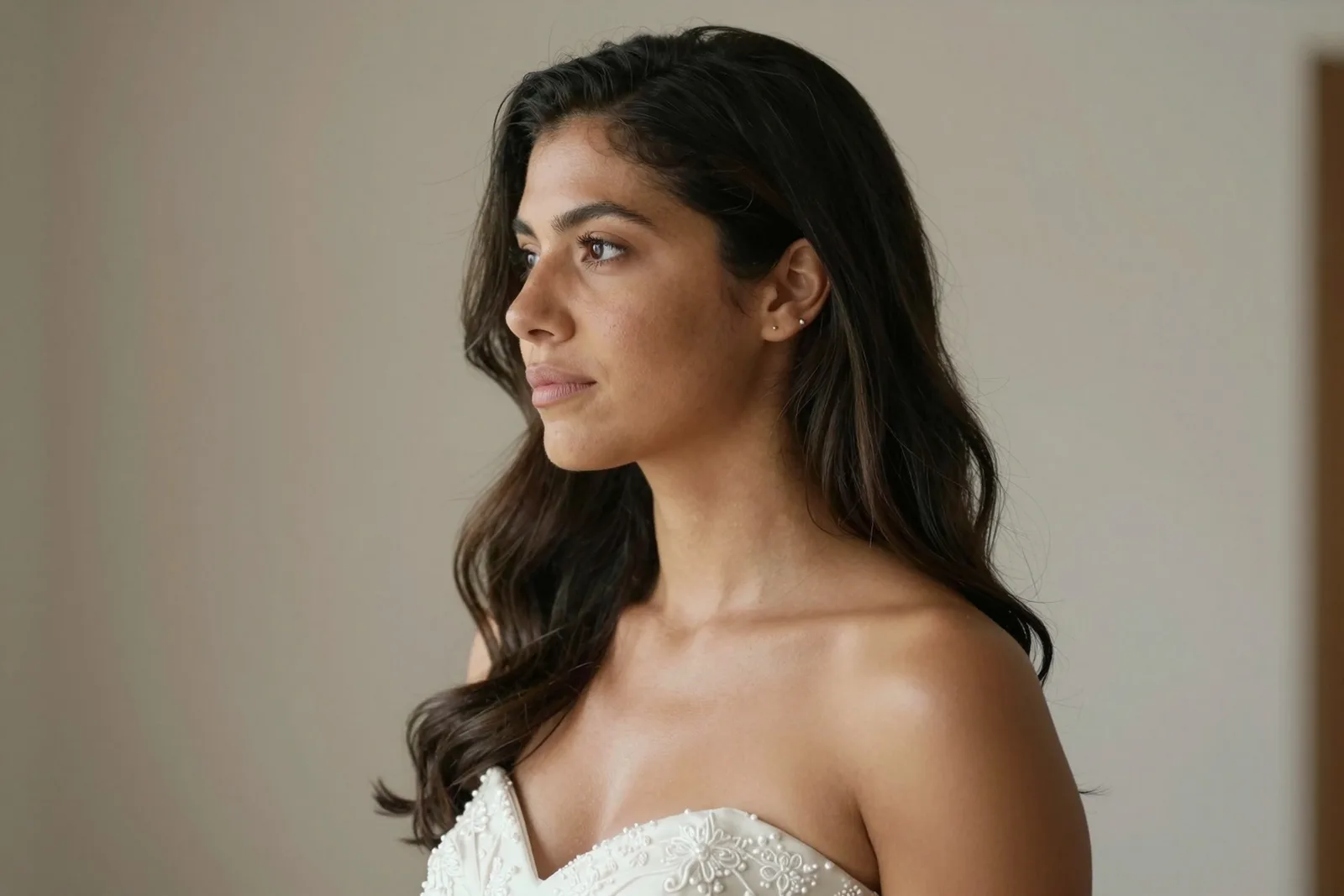
French twist
Vertical twist updo with a clean profile for formal ceremonies and statement earrings.
Related guides: Winter Wedding Color Palettes: Emerald, Champagne & Candlelight Reception Guide · Winter Bridal Hairstyles · Outdoor Ceremony Bridal Hair · How to Secure a Wedding Veil · Reception Bridal Hair Reset · Wedding Day Beauty Timeline